
 by
by 

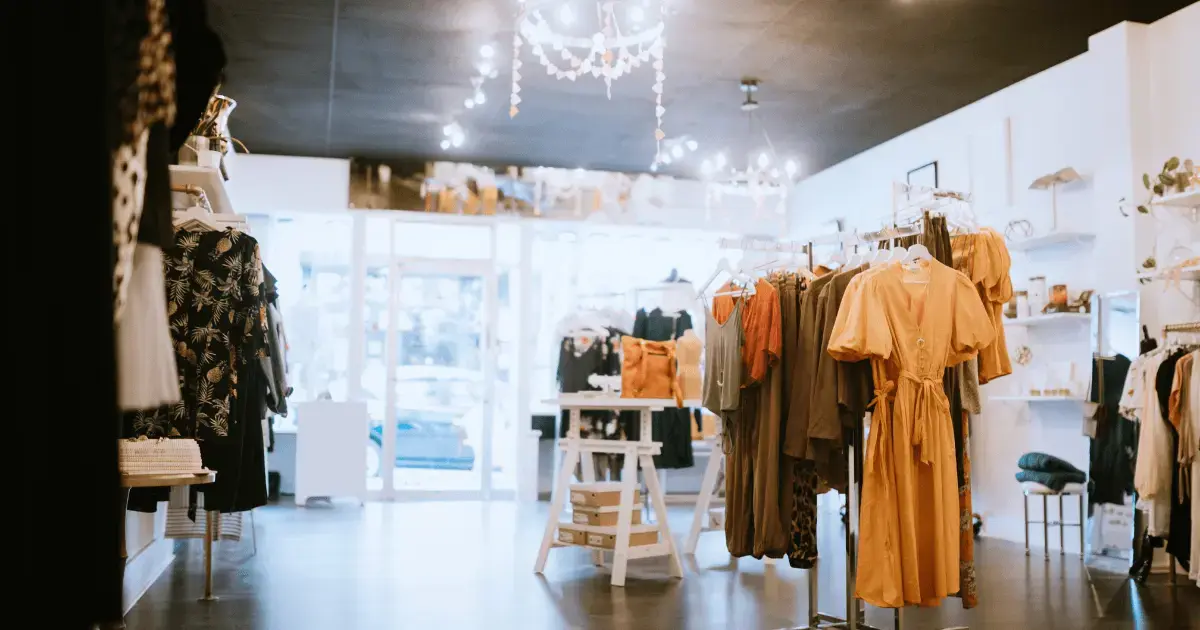
Eight out of 10 shoppers base buying decisions on what they see in-store. Your window display, clothing arrangement, lighting choices, and color palette aren’t just aesthetic decisions. They’re brand differentiation tools that tell customers who your brand is and why a customer should choose you over the shop down the street.
Boutique visual merchandising is the strategic arrangement of clothing, accessories, fixtures, and design elements to create a shopping environment that reflects your brand identity.
Unlike big-box retailers selling mass-market inventory, boutiques compete on curation and experience. Your visual merchandising strategy establishes your brand personality and makes customers feel connected when they walk through your door.
This blog covers seven boutique visual merchandising strategies that help you arrange clothing effectively, choose color schemes for your target demographic, optimize your store layout, and use retail data to refine what’s working.
7 Boutique Visual Merchandising Strategies
Effective boutique visual merchandising requires more than arranging clothes on racks. Clothing retailers account for 42% of visual merchandising services, reflecting how central these strategies are to fashion retail success.
Here are seven strategies tailored to the specific challenges boutique owners face, with practical steps you can apply regardless of your store size or budget.
1. Arrange Clothing and Accessories for Maximum Impact
Ease of implementation: Easy
Budget: $
Products at eye level are 82% more likely to be purchased, making vertical placement your most valuable tool.
Key arrangement strategies:
- Color-block your displays: Group clothing by color families rather than mixing randomly. A wall of denim organized from light to dark wash creates visual impact and helps customers find their preferred shade quickly.
- Style complete outfits together: Cross-merchandise accessories with clothing. Hang necklaces with complementary dresses, display scarves on coat racks, and place handbags near the pieces they naturally pair with.
- Use the rule of three: Group items in sets of three on tables and shelves. Three folded sweaters in complementary colors look intentional — odd numbers feel natural and balanced to the eye.
Rotate your featured displays at least every two weeks. Boutiques that refresh displays regularly see 23% more visitors and 19% higher return rates than those that don’t.
2. Use Color Psychology To Attract Your Ideal Customer
Ease of implementation: Easy
Budget: $
50% of participants chose a brand solely because of its color scheme. Your boutique’s color palette directly influences who walks through your door.
Match colors to your customer base:
- Younger shoppers (18–30): Bold, saturated colors like coral, electric blue, and emerald green communicate trend-forward merchandise.
- Mature customers (40+): Sophisticated neutrals like navy, burgundy, taupe, and cream convey quality and timelessness.
- Luxury positioning: Black, white, gold, and deep jewel tones project exclusivity and perceived value.
- Eclectic brands: Warm earth tones — terracotta, sage, and mustard yellow — attract customers seeking unique pieces.
Rotate colors seasonally. Spring calls for pastels. Summer embraces brights and coastal blues. Fall introduces burgundies and burnt oranges. Winter features deep greens and metallics. Change your window backdrop and accent props while keeping core brand colors consistent.
Create color zones within your store — a neutrals corner for basics, a color-pop wall for statement pieces. It helps customers shop by preference and makes the floor feel intentionally designed.
3. Create Social Media–Worthy Moments
Ease of implementation: Moderate
Budget: $$
Social media extends your boutique’s reach beyond foot traffic. Customers who photograph your displays become your best organic marketing.
Design designated photo spots:
- Create a statement wall with bold wallpaper or a mural that fits your brand aesthetic.
- Style a vintage chair or velvet bench with throw pillows in your signature colors.
- Install a neon sign featuring your boutique name or a brand-aligned phrase.
- Build seasonal installations like flower walls in spring or holiday backdrops in winter.
Make your window display shareable. Window displays boost foot traffic by 23% and drive social shares when designed with visual impact. Use unexpected elements like oversized props, interactive features, or local cultural moments that give people a reason to stop and take a photo.
Encourage tagging. Display your social media handle prominently near photo spots. Offer a small discount for customers who tag your boutique. Repost customer photos to build community and show your pieces styled by real customers.
Related Read: Boutique Signage Ideas: Turn Browsers Into Buyers
4. Tell Your Brand Story Through Visual Elements
Ease of implementation: Moderate
Budget: $$
Your boutique’s visual identity extends beyond your logo. Every design choice communicates who you are and who you serve.
Choose three to five core colors and repeat them throughout your space in fixtures, signage, wall paint, and display props. Good American’s Los Angeles flagship demonstrates this effectively with mannequins representing different body types alongside digital signage. Their inclusive mission shows up in every visual element.
Maintain consistency across:
- Fixture finishes: Stick to one metal tone — brass, black, or chrome — across all racks.
- Signage style: Use the same fonts and design treatment for all store communications.
- Display props: Curate props that reinforce your aesthetic.
Update seasonally without abandoning your core identity. A coastal boutique might introduce lighter linens in summer while maintaining their signature blue-and-white palette year-round.

5. Use Lighting To Set the Mood and Highlight Products
Ease of implementation: Moderate
Budget: $$$
Lighting affects how customers perceive product quality and how long they stay in your boutique. Shoppers perceive products in well-lit displays to be 20% more valuable.
Match lighting to your brand positioning:
- Luxury boutiques: Softer ambient lighting with focused spotlights on premium pieces projects exclusivity and draws attention to key items.
- Trend-forward stores: Bright, even lighting with cooler tones signals energy and modernity.
- Eclectic or vintage shops: Warm-toned Edison bulbs and softer lighting creates cozy intimacy.
Remember: Prioritize dressing room lighting. Install flattering, even lighting that shows accurate colors. Poor dressing room lighting costs you sales when customers see unflattering shadows or color distortion.
Use track lighting to highlight new arrivals and featured merchandise. Spotlights draw the eye to specific displays and create a natural visual hierarchy throughout your space.
Related Read: Competing With Fast Fashion: What Boutiques Do Better
6. Choose the Right Store Layout for Your Space
Ease of implementation: Advanced
Budget: $$$
Your store layout determines how customers move through your space and what they encounter along the way. Small boutiques benefit from intimate, free-flowing layouts rather than rigid grids.
A free-flow boutique layout incorporates varied display elements and partially separated areas. This works best for stores under 1,500 square feet wanting to create distinct shopping zones. Customers discover merchandise naturally rather than following a forced path.
Consider your merchandising density carefully. Luxury boutiques use open space and minimal fixtures to convey exclusivity. Value-oriented boutiques pack more merchandise into smaller footprints. Your pricing strategy should guide this decision.
Create clear pathways even in intimate spaces. Use flooring changes, fixture placement, or subtle lighting to lead customers from the entrance through featured displays and toward checkout.
7. Track Performance and Adjust With Retail Data
Ease of implementation: Advanced
Budget: $$$
Visual merchandising isn’t set-and-forget. You need data showing which displays are driving sales and which are wasting prime real estate.
Modern point of sale (POS) systems track sales by product location, time of day, and display configuration. This data reveals:
- Which fixtures generate the highest sales per square foot
- What times of day customers purchase specific product categories
- How display changes affect what sells
Test different approaches systematically. Move a product category from the back wall to a front display table. Track sales for two weeks and compare against the previous two weeks. Then let data guide your decisions rather than intuition alone.
Shoppers spend 14% more time in stores with regularly changing displays. Schedule monthly reviews of your merchandising performance, identify what’s underperforming, and test new configurations before the next season hits.
Rain POS provides the sales analytics your boutique needs to make informed merchandising decisions without manual spreadsheet tracking.
Build a Stronger Boutique Brand With Rain POS
Strong visual merchandising starts with knowing what’s working — and what isn’t.
Rain POS is built specifically for boutiques and specialty retailers. It tracks sales by product, location, and time period so you can see which displays generate the highest revenue per square foot. Use that data to identify your bestselling products and give them premium placement. Test different layout configurations and measure results with concrete evidence rather than guesswork.
Schedule a demo to see how Rain POS helps boutique owners merchandise smarter.


.webp?width=520&height=294&name=RAIN%2063026%20How%20To%20Personalize%20Marketing%20for%20Craft%20Store%20Customers%20(1).webp)
![How To Create a Boutique Customer Loyalty Program [+ Why You Should]](https://www.rainpos.com/hs-fs/hubfs/shutterstock_2498045751%20(1).webp?width=520&height=294&name=shutterstock_2498045751%20(1).webp)