
 by
by 

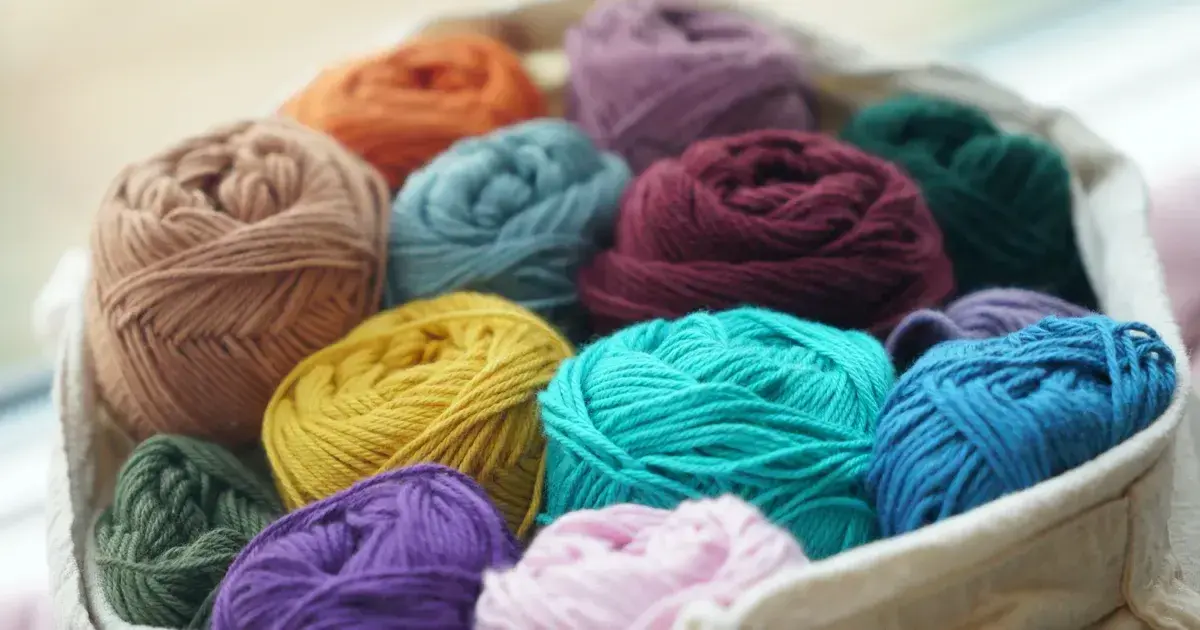
Even the most organized inventory can quickly fall into chaos.
This is especially true at a craft store, where loose items like paint brushes, yarn, and beads can end up scattered across the sales floor. But once a year, every retail business needs to pause and take a full account of what’s on its shelves.
As the year draws to a close, that means asking: How do I perform a year-end inventory count at my craft store?
The process comes down to three things — choosing a tracking method, physically counting every item in your store, and calculating the total value of your stock at current prices.
In this blog, we’ll explain what a year-end inventory count is, why it matters for craft stores, and how to get it done step by step.
What Is a Year-End Inventory Count?
A year-end inventory count is a physical count of all the merchandise your business has on hand. The data can be recorded using paper forms, spreadsheets, or a digital inventory management system, producing a total for each product you sell.
Most retailers perform this count at the end of the fiscal year to reconcile what their records show against what’s actually on their shelves. At a craft store, that means counting everything from full skeins of yarn to individual buttons and single paint tubes.
How a Year-End Inventory Count Differs From a Cycle Count
While a year-end inventory count is a full count of all your stock, a cycle count is an audit of one portion at a time. Cycle counts are performed periodically — weekly, monthly, or quarterly — and over time, all items are accounted for, preventing significant discrepancies from building up.
Another key difference is that cycle counts don’t typically require you to pause operations. Year-end counts, on the other hand, are best done while the shop is closed — accurate numbers are hard to come by when customers are actively shopping.
What Are the Benefits of a Year-End Inventory Count?
A year-end count is more than a box to check at the end of December. The insights it produces touch nearly every aspect of running your craft store.
These are some of the benefits of a year-end inventory count:
- Understand your inventory details: With so much to manage as a craft store owner, it’s easy to lose track of quantities. A year-end count gives you a clear picture of exactly what you have so you can plan accordingly.
- Forecast future demand: Knowing your remaining stock helps you identify top sellers, flag slow movers, and predict future sales. Use these insights to order the right amount of paint, twine, or beads — without overstock or stockouts.
- Prepare for annual reports and tax forms: Year-end inventory data is required for tax purposes in the U.S. Sole proprietors report it on a Schedule C form, while corporations use Form 1125-A.
- Identify shrinkage: Shrinkage is lost stock resulting from misplaced, damaged, or stolen items. Uncovering it helps you identify the causes and put guardrails before the problem grows.
- Organize your physical stock: A year-end count is a natural opportunity to tidy up the shelves and bins, returning out-of-place items to the right spot.
After an end-of-year count is complete, you have the data you need to make smarter purchasing decisions and close out the year with confidence.
Related Read: 5 Best Ways To Organize Craft Tools for Higher Sales

How Do I Perform a Year-End Count?
An effective year-end inventory count takes preparation, diligence, and attention to detail. Follow these steps to get started.
1. Choose a Tracking Method
Before you start the count, you need a reliable way to record your totals. Pen and paper works in a pinch, but it’s slow and prone to error. Spreadsheets are a step up, but cloud-based point of sale (POS) software is the most efficient option available.
These are a few of the advantages of using POS software for inventory counts:
- Built-in organization: If you’re already using a POS system, your products are likely categorized into logical groups, like home decor, DIY kits, and needle arts. This makes it easier to navigate through your stock during the count.
- Integrated barcoding: Built-in barcode scanning lets you pull up an item and input quantity data quickly and accurately.
- Weight tracking: Some items like yarn and beads are sold by weight rather than individual units. A craft-specific POS solution can track inventory by weight, so those counts stay just as accurate as everything else.
- Cloud storage: Some POS platforms save data to the cloud, where it can be accessed from any of your devices at any time.
A capable POS system turns a time-consuming process into a manageable one.
Related Read: Craft Store POS System: Top Features (+ 5 Providers)
2. Count Your Inventory
Once your tracking method is in place, it’s time to start counting. Get multiple team members involved and assign each person to a specific section of the store — you on art supplies, one employee in the thread and yarn section, another on paper crafts.
Craft shops often sell kits and bundles, so you’ll need to decide whether to track premade kits as single units, or count each component toward its own SKU. A POS with bundling tools makes that decision easy to execute either way.
If your POS solution is cloud-based, multiple users can input data from smartphones or tablets simultaneously, and totals sync across the entire system in real time.
Related Read: 8 Common Inventory Mistakes Every Craft Store Makes
3. Calculate Your Total Inventory Value
With your counts complete, the last step is calculating your total stock value by multiplying product quantities by their current prices. At a craft store, this task is more nuanced than it sounds.
If you’re counting a bundled kit as a single unit, use the bundle price rather than pricing each component individually. Products that have been marked down — seasonal items passed peak demand, for example — should be valued at their current selling price, not their original one.
A POS system tracks current prices automatically, making this calculation faster and more accurate than pulling numbers manually. The final total gives you a clear picture of what your inventory is worth, helping you set budgets for the year ahead.
Speed Up Your Inventory Count With Rain POS
A year-end inventory count at your craft store doesn’t have to feel overwhelming. With the right approach — and the right tools — it’s a manageable process that pays off in better tax reporting, smarter purchasing decisions, and a clearer picture of your business heading into the new year.
How you track the data from your count matters — and a POS system makes it significantly easier.
Rain POS was designed for craft shops, with real-time inventory tools that keep all your data in sync. Track materials by weight, create kits and bundles, and adjust quantities at the touch of a button.
Rain offers multiple pricing tiers to make sure you get the features your business needs most. Find the right fit for your craft store with our Build and Price tool.



.webp?width=520&height=294&name=RAIN%2063026%20How%20To%20Personalize%20Marketing%20for%20Craft%20Store%20Customers%20(1).webp)
![How To Create a Boutique Customer Loyalty Program [+ Why You Should]](https://www.rainpos.com/hs-fs/hubfs/shutterstock_2498045751%20(1).webp?width=520&height=294&name=shutterstock_2498045751%20(1).webp)