 by
by 

Shrinkage stings in any retail environment. But when it involves premium snowboards, technical boots, or $400 expedition packs, the financial impact is immediate and hard to ignore.
For specialty outdoor retailers, reducing shrinkage on high-ticket outdoor gear is critical to protecting profit. One missing splitboard or a couple of misplaced avalanche airbag packs can wipe out an entire month’s margin for that category.
The National Retail Federation estimates average retail shrinkage at roughly 1.6% of sales, with smaller specialty retailers often feeling the impact more sharply. In outdoor retail, where individual items can range from $300 to $1,200, a single loss carries real weight.
The upside is that most losses follow recognizable patterns. With the right strategies and tools, you can identify where shrinkage starts, tighten vulnerable areas, and regain control before it cuts into your bottom line.
Improve Visibility Without Hurting the Experience
Specialty gear needs to be seen to sell, but the way it’s displayed affects risk.
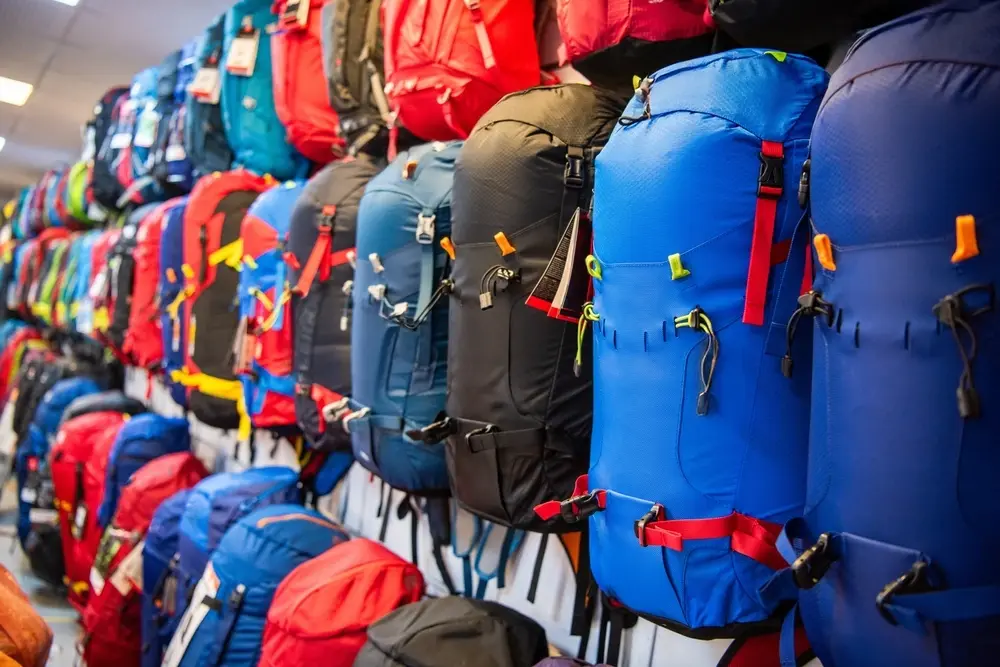
Boards leaning near entrances, boots stacked on self-serve walls, and demo packs hanging in blind spots create easy opportunities for loss. Reducing shrinkage on high-ticket outdoor gear starts with merchandising that balances accessibility with oversight.
Here’s what that looks like in practice:
- Position high-value items within view of the register or staffed zones.
- Mount boards on secured wall systems rather than free-standing floor racks near entrances.
- Limit open-stock displays to one sample size per model while storing additional units in back inventory.
- Use locking peg systems for high-value accessories such as avalanche beacons or GPS devices.
- Install mirrors strategically to eliminate blind spots without changing your store layout.
Retail research suggests that about 2% of shoppers enter stores intending to steal, which means even minor layout adjustments can reduce risk. Strong sightlines protect margins while still giving customers the hands-on experience specialty gear requires.
Control the Try-On and Demo Process
Outdoor customers expect to handle gear before buying. That product interaction helps drive sales, but unclear try-on routines can blur the line between what went out for testing and what never returned.
Tightening this process is one of the most overlooked ways specialty retailers prevent shrinkage on specialty equipment.
To keep things organized:
- Have staff personally retrieve high-value items from back stock instead of allowing open access.
- Log boots, packs, or demo boards at the fitting counter before they enter a fitting room.
- Use visible tags or tray systems so staff can quickly see how many items went in and how many came back.
- Require ID or a credit card hold for overnight or on-mountain trials.
For example, during a busy Saturday, a customer tests two high-end GPS watches. Logging each serial number in your point of sale (POS) system as a demo or temporary hold creates accountability and prevents items from slipping through unnoticed.
A clear process protects inventory while preserving the experience customers expect.

Secure Small Accessories That Add Up Fast
Big items aren’t the only problem. Smaller accessories often go missing without anyone noticing right away.
Items like high-end insoles, carbon poles, and satellite messengers are easy to conceal. Retail loss-prevention data consistently shows that smaller, high-value items are among the most frequently stolen categories in specialty stores.
To tighten control in this area:
- Place compact items in locked or staff-assisted cases rather than in open bins.
- Attach security tags to items over a defined price threshold, such as $150 or $200.
- Place premium add-ons near main gear displays so customers ask staff for help.
- Move higher-priced accessories closer to staffed counters during peak traffic.
- Audit accessory counts daily during closing routines.
Shrink often hides in plain sight. These steps make it harder for items like a $300 avalanche beacon to disappear unnoticed and help your team catch discrepancies before they turn into larger losses.
Train Staff To Spot Patterns, Not Just Incidents
Your employees are often the first line of defense against theft. Retail research suggests that roughly 70% of shrinkage is tied to organized retail activity or repeat offenders.
Teaching your team to recognize suspicious patterns, not just isolated incidents, can help reduce shrinkage on high-ticket outdoor gear.
During theft-prevention training, managers should:
- Explain common distraction tactics, such as group splitting or repeated size requests.
- Encourage consistent customer engagement to deter opportunistic theft.
- Reinforce immediate restocking habits to avoid unattended product piles.
- Practice calm intervention language for when staff need to step in.
- Review shrink data monthly as a team so everyone understands the impact.
For example, an end-of-week inventory report might show repeated discrepancies in your pro-level pack section after busy Saturdays. Assigning a dedicated floor lead during peak hours can help close the gap between heavy traffic and inventory control.
Tighten Storage and Inventory Routines
Not all shrink happens on the sales floor. In many outdoor stores, losses occur in the back room due to miscounts, mix-ups, and delayed processing.
Unlabeled boxes, returns sitting in limbo, and inconsistent cycle counts lead to stock being misplaced, double-counted, or written off — leaving you short on inventory when you reconcile at the end of the season.
To keep stock organized and accountable:
- Label and barcode every incoming unit immediately upon receipt.
- Separate sellable stock from returns, repairs, or damaged goods.
- Conduct weekly cycle counts on high-performing categories like boards, boots, and packs.
- Store big-ticket items in clearly designated, limited-access areas.
- Reconcile transfers and special orders within 24 hours.
Industry benchmarks show retailers who perform regular cycle counts can reduce losses by nearly 20%. Consistent routines prevent minor discrepancies from turning into costly write-offs and support long-term success in reducing shrinkage on high-value gear.
Use Data To Catch What Eyes Miss
No process is perfect. Real-time tracking helps catch small gaps before they turn into profit-draining losses.
Spreadsheets work for basics, but they struggle with serial numbers, seasonal transfers, and multi-store inventory. POS data helps you catch issues early and keep better control.
With a modern outdoor retail system, you can:
- Track serial numbers for boards, electronics, and other high-value gear so each unit connects to a verified purchase and sale history.
- Monitor inventory in real time across locations to prevent overselling, misplaced stock, or transfer confusion.
- Identify unusual sales activity or repeated refunds that may signal process gaps.
- Catch count differences during cycle checks before they grow into larger issues.
- Review shrink trends by category and time period to pinpoint where tighter controls are needed.
Your POS shows changes as they happen, giving you the visibility to act quickly and stop small issues from turning into costly shortages.
Start Reducing Shrinkage on High-Ticket Outdoor Gear With Rain POS
If you want steady, sustainable growth, reducing shrinkage on high-ticket outdoor gear needs to be part of your daily operations, not something you think about once a year during inventory.
Rain POS gives you the visibility and reporting to track individual units, monitor movement, and catch irregular activity early. With serialized SKU tracking, real-time inventory updates, and detailed reports, you can connect sales, returns, transfers, and on-hand counts in one system — so your team works from accurate data every day.
One missing board can wipe out a week of profit. A disciplined system helps make sure it doesn’t happen again. Build and price a customized setup today to discover how Rain POS protects your inventory and keeps profit where it belongs — in your store.