


Have you ever walked into your craft store and been hit by that familiar, comforting scent?
Maybe it’s the earthy smell of unbleached cotton, the sweet perfume of scented candle wax, or the faint aroma of paper and glue. Whatever it is, that smell is a reminder that you’re walking into more than just a store.
You might think of your craft store purely in practical terms. It’s where your customers go to pick up that perfect shade of yarn, a new paintbrush, or supplies for a last-minute school project. But your shop is a place where you encourage your customers’ creativity, help connect generations, and teach the difference between a chain stitch and a crochet stitch.
From hosting workshops that turn novices into skilled hobbyists to providing a safe space for people to learn and socialize, your store is the heart of your neighborhood — cultivating creativity, connection, and hands-on learning for all ages.
Here’s a look at how your shop makes a difference — and why that matters for your community and your bottom line.
Make Your Craft Store More Than Just a Shop
Beyond stocked shelves, your craft store is a living community hub. These are some of the most meaningful ways it can serve the people around you.
Cultivate Creativity
Your craft store is a catalyst for your customers’ creativity. Whether you cater to experienced artists or beginners just finding their footing, they’re welcome in your store.
You can set up your space as a safe place where customers can disconnect for a while and make something that’s entirely their own. With all the paper, punches, and decorations at their disposal, it’s where a simple idea to preserve a memory turns into a finished scrapbook page.
Prioritize Customer Well-Being
It’s easy to feel isolated, but your craft store can help. You can offer a relaxed, judgment-free space for people to sit down and work on a project alongside others working on theirs.
Studies show that creative activities like knitting or painting can reduce stress. Your store is where people can put down their phones, quiet the noise, and find peace by making something.
Maybe you run classes and have a knitting expert among the group. This advanced customer can help mentor the beginners. As the store owner, you can encourage that dynamic by pairing experienced crafters with newcomers. It becomes a natural way to pass down traditional skills that might otherwise be forgotten, strengthening the whole community’s collective skills and camaraderie.
Related Read: Rain POS Loyalty Tools: Turning Hobbyists Into Regular Buyers
Empower Hands-On Learning
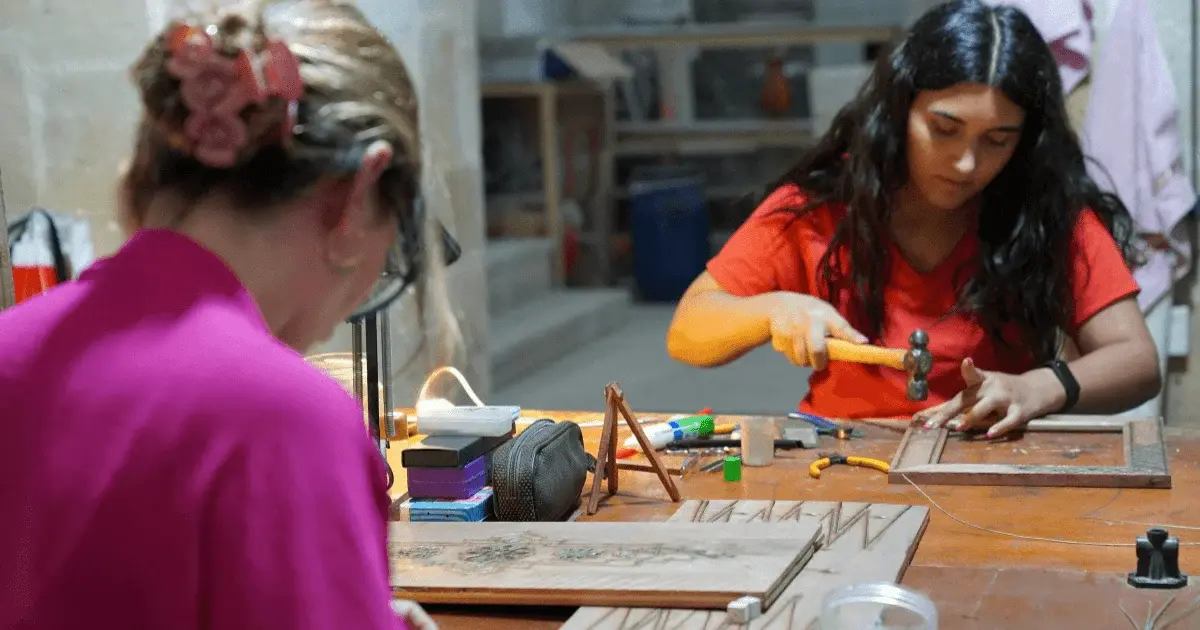
Craft stores are one of the last places where traditional skills are actively taught. You’ve seen firsthand how one-on-one instruction keeps that knowledge from disappearing. That hands-on environment is what lets you sit side-by-side with a customer, walking them through a painting technique until it clicks.
Customers swap advice, pick up tips by listening, and always find someone who understands the joy of finally nailing a hard technique or the frustrations of a project that just went wrong. The hands-on experience customers have in your store is what keeps these crafting traditions alive.
Build Community and Connection
You know that feeling of finding your people? That’s what craft shops are all about. Your store creates a warm community that’s far deeper than a quick shopping trip. Your people are here — the knitters, the painters, the jewelry makers — united by the same creative drive.
You can host weekly meetups, classes, and clubs, becoming your community’s go-to activity spot. When different generations connect — a beginner learning embroidery from a seasoned expert, for instance — those moments strengthen the whole community in ways that reach well beyond the craft itself.

Become a Hub for Giving Back
Craft stores are a natural home for craftivism — using creative skills for charity.
You often find crafting groups hosting knit-alongs or sew-ins to create warm blankets for the local hospital, hats for cancer patients, or crocheted stuffed animals for first responders. Your store turns individual effort into collaborative kindness.
Supply swaps also help materials go further. This means quality supplies don’t end up in a landfill, and anyone — from a student to a low-income senior — can get the materials they need affordably.
Fuel Your Local Maker Movement
For every local person selling their handmade goods online or at a market, your craft store is their lifeline.
When a local hobbyist wants to start a project, they can’t afford to wait for shipping. They rely on your store for quality materials right away. You keep the local maker’s engine running.
This is your opportunity to be a true mentor. You can share your expertise on topics like pricing or which materials last longest, helping these hobbyists make the leap to becoming successful small business owners.
Ultimately, every dollar spent at a local, independent craft store creates an economic multiplier effect. That money stays in the community at a far higher rate than if it were spent at a national chain, directly supporting local jobs, schools, and infrastructure.
Your craft store isn’t just a retail space — it’s an investment in a thriving, creative, and connected community.
Related Read: 8 Common Inventory Mistakes Every Craft Store Makes
What This Means for Your Business
How does the role of your craft store affect your bottom line? It’s simple: A connected community is your strongest asset. When your business acts as a gathering place — hosting workshops, providing a safe space to learn, and fostering a sense of belonging — it naturally builds a loyal, repeat customer base.
Your customers aren’t coming in for one-time purchases. They’re there for the experience, the advice, and the company. A loyal community means stronger repeat sales, and the connection you build with your customers is the foundation for a healthy neighborhood.
At the end of the day, a great craft store isn’t defined by its inventory list, but by the role it plays in your customers’ lives. Yes, it’s where they get their craft supplies, but it’s also where they find their community, the confidence to try something new, and a valuable connection to people of all ages.
Invest in the Right Tools To Support Your Craft Store’s Role
Your craft store has the potential to be a neighborhood cornerstone — but playing that role well takes the right tools.
Today’s most successful craft stores are using smart, simple technology to stay financially strong and deeply connected to their communities.
Rain POS lets you schedule and promote workshops, manage registration for events, track customer loyalty, and spend less time on paperwork. It frees you to spend more time chatting with customers about the perfect shade of indigo.
When the business side takes care of itself, you can focus on what you do best — developing a stronger, more creative community, one project at a time.
Try our Build and Price tool to create a custom point of sale (POS) system for your craft store.



 by Clinton Brady

.webp?width=520&height=294&name=RAIN%2063026%20How%20To%20Personalize%20Marketing%20for%20Craft%20Store%20Customers%20(1).webp)
![How To Create a Boutique Customer Loyalty Program [+ Why You Should]](https://www.rainpos.com/hs-fs/hubfs/shutterstock_2498045751%20(1).webp?width=520&height=294&name=shutterstock_2498045751%20(1).webp)