
 by
by 

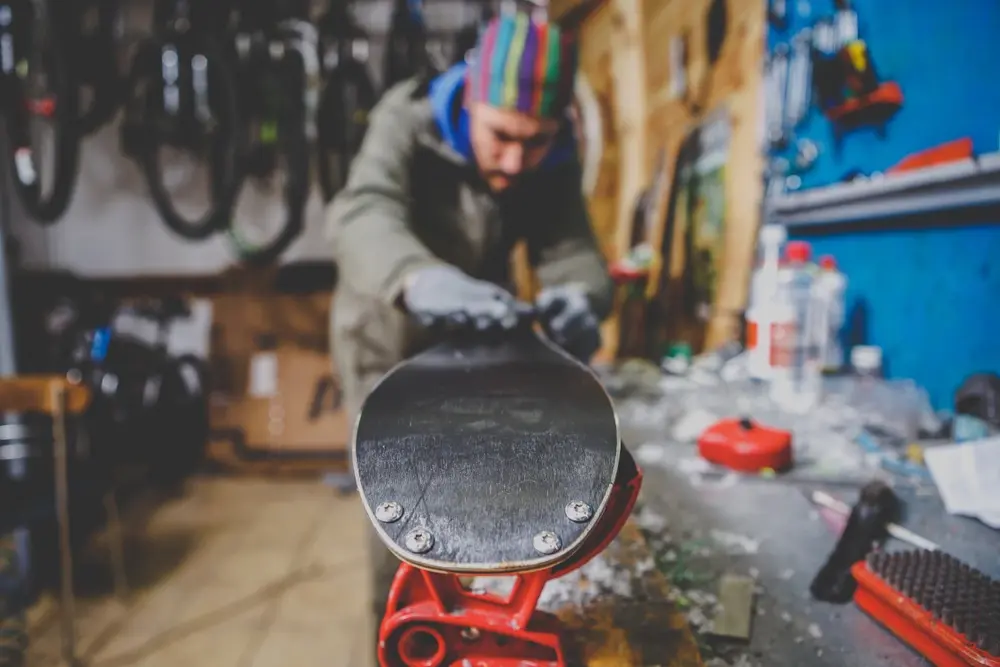
For many outdoor retailers, service departments are just as important as product sales because they support ongoing gear maintenance and create repeat customer visits.
Bike shops keep riders on the trail with tune-ups, ski shops sharpen and wax skis or mount bindings before the season begins, and outdoor gear shops repair tents, backpacks, climbing equipment, or kayak components to keep customers ready for their next adventure.
But service work can create operational challenges behind the counter. Paper tickets get misplaced, customers call repeatedly for updates, and technicians lose track of which job to handle next. Meanwhile, repair items begin to pile up in back rooms because their status isn’t tracked.
Without a clear process, service departments can become difficult to manage.
This is where a modern retail platform can help. Instead of relying on paper tickets and verbal updates, the right point of sale (POS) software helps your store manage service and tune-up workflows by creating a more organized and trackable system.
Discover the common service workflow challenges outdoor retailers face and how Rain POS helps keep repairs moving swiftly from intake to pickup.
Why Service Departments Often Become Disorganized
Many outdoor retailers build their service departments informally. What begins as a simple repair counter eventually becomes a steady stream of equipment requiring maintenance, adjustments, or safety checks.
As service volume increases, small gaps in the process often turn into larger operational challenges. Your store may find itself needing to:
- Track down misplaced repair tickets when handwritten forms disappear.
- Clarify service instructions when intake notes are incomplete or missing.
- Follow up on job status when finished work is not communicated to the counter.
- Answer frequent customer calls asking if gear is ready for pickup.
- Search crowded service areas for bikes, skis, or other equipment.
- Sort through items that were never properly logged into the repair queue.
Over time, these issues slow technicians down, frustrate customers, and add unnecessary stress to staff.
An integrated system helps you manage service and tune-up workflows more effectively by reducing bottlenecks and providing clear visibility into the entire repair process.
Structured Intake Prevents Lost Service Requests
A well-organized service process starts with accurate intake. When a customer brings in a bike for brake adjustments or skis for edge sharpening, the shop needs to capture key details right away, including contact information, the requested service, and notes about the equipment.
Without a structured intake process, these details are often recorded on paper tickets or sticky notes that can be misplaced, misread, or overlooked during busy service periods.
Rain POS centralizes service intake in one system, allowing staff to:
- Record customer contact details at intake.
- Log the equipment being serviced, such as bikes, skis, or climbing gear.
- Document the exact service requested, from tune-ups to gear inspections.
- Attach technician notes about specific issues or recommended repairs.
- Create a clear service order that follows the item through each stage of the repair process.
By capturing service details in a single system, your shop reduces the risk of lost paperwork and ensures technicians have clear instructions before work begins.
Status Tracking Keeps Technicians Organized
Once service items enter the queue, technicians need to know exactly what to work on next. Without clear insight into the repair pipeline, staff may waste time asking which jobs are the highest priority or sorting through stacks of tickets to find the next task.
A digital workflow helps eliminate this confusion by moving service orders through defined stages, such as:
- Receiving the item at intake
- Assigning the job to a technician
- Starting the service work
- Waiting for required parts
- Marking the job as ready for pickup
Rain POS gives staff and technicians a clear view of every item’s status, helping you manage service and tune-up workflows efficiently. This transparency makes prioritizing work easier and keeps repairs moving quickly.

Technician Notes Improve Communication
Outdoor equipment repairs often involve technical details that front-counter staff may not fully understand.
For example, technicians might:
- Identify worn chainrings during a bike tune-up.
- Discover base damage that requires additional ski repair.
- Recommend shell adjustments or liner replacements during a boot fitting.
Without a centralized place to record this information, important updates can easily get lost between technicians and sales staff.
Rain POS allows technicians to add notes directly to the service order. The information stays attached to the job, making it easy for any team member to review the work performed and explain the repairs when the customer picks up their equipment.
Clear documentation prevents confusion while reinforcing professionalism.
SMS Updates Reduce Customer Calls
Frequent customer update requests are one of the most common disruptions for service departments. Studies on retail customer service suggest that the average phone interaction lasts between three and four minutes.
While each call may only take a few minutes, handling dozens of update requests throughout the day quickly adds up, pulling staff away from assisting customers in the store.
Automated communication through Rain POS keeps customers informed without the need for constant phone calls.
The system allows you to:
- Send SMS updates when a service order moves to a new stage.
- Notify customers when work begins on their equipment.
- Alert customers when parts arrive and repairs resume.
- Confirm when the service is complete and the item is ready for pickup.
These updates help keep the repair process transparent while reducing interruptions at the counter.
Integrated Inventory Keeps Repairs Moving
Many service jobs depend on replacement parts. A bike tune-up might require new brake pads or cables, ski repairs often involve binding components, and outdoor gear repairs may require replacement tent poles, buckles, or straps.
When parts are tracked separately from service orders, delays can occur. Technicians may begin a repair only to discover that a critical part is out of stock.
Integrated inventory helps prevent these interruptions. With the right system in place, your store can:
- Check part availability during service intake.
- Reserve components for specific repair jobs.
- Assign parts to service orders.
- Track when additional items need to be reordered.
Using Rain POS to manage service and tune-up workflows helps prevent unnecessary delays and ensures technicians have what they need to complete repairs.
Scheduling Minimizes Service Backlogs
Service demand often increases as outdoor seasons approach. In the weeks leading up to major trips and recreation periods, stores frequently see a surge in repair requests. Customers may bring in gear for tent pole replacements, camp stove repairs, kayak rudder adjustments, or bow tuning as they prepare for the season ahead.
Without a scheduling system in place, your shop can quickly fall behind, leading to longer turnaround times and crowded service areas.
Rain POS includes scheduling tools within its work-order software that allow your store to:
- Estimate realistic turnaround times for incoming service orders.
- Assign expected completion windows for each repair.
- Balance technician workloads during busy periods.
- Plan service capacity as seasonal demand increases.
These tools help you maintain realistic timelines, keep service work organized, and avoid repair areas filled with unfinished jobs.
Expertly Manage Service and Tune-Up Workflows With Rain POS
Service departments run more smoothly when every repair order, technician update, and customer message is tracked in one place.
Rain POS brings service activity into a single system, allowing everything to be tracked from intake through pickup.
With Rain POS, your shop can:
- Capture service intake details as soon as the equipment arrives.
- Track repair status from intake through completion.
- Record technician notes within the service order.
- Send SMS updates as work progresses.
- Coordinate technician workloads so jobs move through the queue.
- Connect service orders with parts and inventory.
By organizing service workflows in one place, the system reduces confusion at the counter, helps technicians stay focused on their next task, and makes it easier for staff to answer customer questions.
Bring order to your service department and keep repairs moving efficiently. Use our Build and Price tool to customize your setup today and see how Rain POS helps manage service and tune-up workflows across your entire shop.